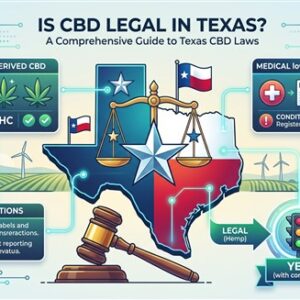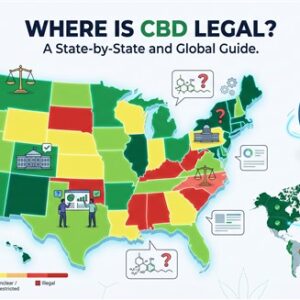


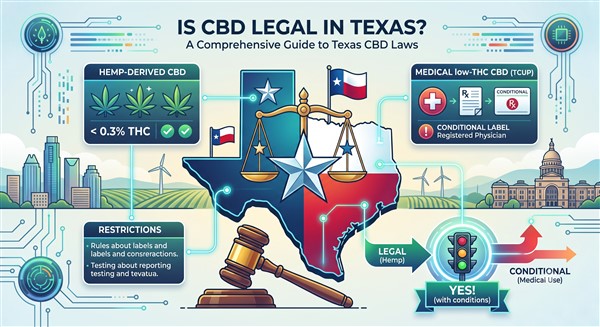
If you live in Texas or are planning to visit, you might be wondering: is CBD legal in Texas? The answer is not as straightforward as a simple yes or no. While hemp-derived CBD products are legal under both federal and Texas law, the regulatory landscape in the Lone Star State is complex and rapidly evolving. Recent legislative actions, court rulings, and new regulations have created a patchwork of rules that can confuse consumers and business owners alike. This guide provides a clear, factual overview of CBD legality in Texas. It covers the current legal status of CBD oil in Texas, explains recent regulatory changes, and highlights what consumers need to know about purchasing and using CBD products in the state.
The Short Answer: Is CBD Oil Legal in Texas?
Yes, CBD oil is legal in Texas, but with important conditions. Under Texas law, hemp-derived CBD products with less than 0.3 percent delta-9 THC are legal. This aligns with the federal definition of hemp established by the 2018 Farm Bill. However, the state has imposed significant restrictions on other cannabinoids and has implemented a regulatory framework that continues to evolve. Texas is classified as a state with CBD-only or limited THC laws. This means that while CBD products are accessible, broader recreational cannabis use remains prohibited, and access to cannabis products is tightly regulated.
The Current Legal Framework for CBD in Texas
Understanding whether CBD is legal in Texas requires familiarity with both state and federal laws. The two primary sources of law are the 2018 Farm Bill at the federal level and House Bill 1325, which Governor Greg Abbott signed into law in 2019.
Federal Law and the 2018 Farm Bill
The 2018 Farm Bill legalized hemp and hemp-derived products at the federal level, provided they contain no more than 0.3 percent delta-9 THC on a dry weight basis. This legislation removed hemp from the Controlled Substances Act and opened the door for the CBD industry to grow nationwide. However, the federal landscape is not static. A new federal law is scheduled to take effect on November 12, 2026, which will redefine hemp and impose stricter THC limits. This change could affect the legality of many hemp-derived products currently available in Texas and across the United States. For more information on federal regulations, you can visit the FDA’s Cannabis Products page.
Texas House Bill 1325
In 2019, Governor Abbott signed House Bill 1325, which legalized the sale and production of products containing less than 0.3 percent delta-9 THC. This state law aligned Texas with the federal definition of hemp and created a legal pathway for CBD products in the state.
The Delta-8 THC Controversy
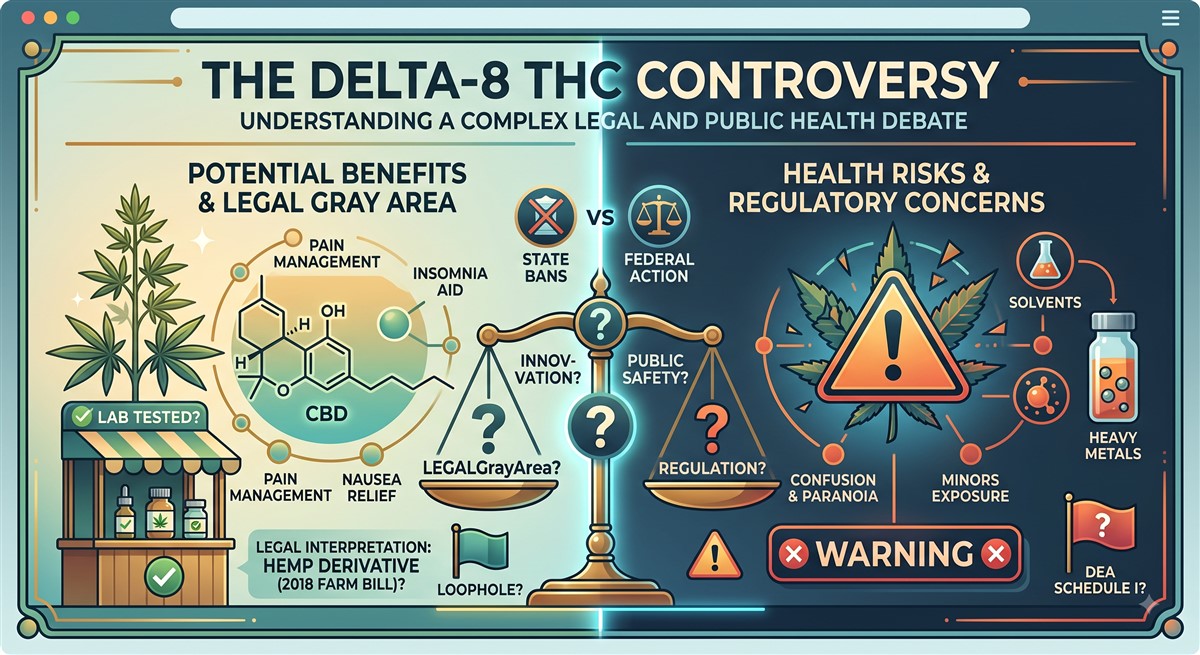
One of the most significant developments in Texas CBD law involves delta-8 THC. This cannabinoid is derived from hemp and became popular after the 2018 Farm Bill. However, Texas health officials have taken a different stance. In October 2021, the Texas Department of State Health Services (DSHS) classified delta-8 THC as a Schedule I controlled substance. This effectively made delta-8 illegal in Texas, despite its federal legality.
The decision sent shockwaves through the CBD retail industry across the state. The Texas Supreme Court later upheld the DSHS commissioner’s decision to keep delta-8 THC off the list of legal substances. In May 2026, a court order took effect allowing state health officials to again treat manufactured delta-8 THC as a Schedule I controlled substance. Beginning July 31, 2026, Texas will ban the sale of smokeable products containing delta-8, delta-10, and several other intoxicating cannabinoids. This follows a Texas Supreme Court ruling that clears the way for long-delayed regulations to take effect.
Senate Bill 5: A Potential Game-Changer
The Texas Legislature has been actively considering legislation that would dramatically reshape the hemp market in the state. Senate Bill 5 (SB 5) is the most significant of these proposals. SB 5 would create a blanket ban on products containing any “detectable amount of any cannabinoid” other than cannabidiol (CBD) and cannabigerol (CBG). This bill would eliminate the majority of hemp products currently available in Texas, including those that are legal under the federal definition. The bill passed the Senate State Affairs Committee unanimously and advanced to the full chamber. Under SB 5, the manufacturing, delivering, or possessing with the intent to provide consumable hemp products would become a third-degree felony offense. However, a person caught illegally possessing the products for the first time would not face charges under the bill.
Supporters of the ban argue that the state has tried to regulate hemp but enforcement has been inadequate. Opponents, however, point out that many people use hemp products as an alternative to the state’s limited medical marijuana program. Governor Abbott has asked lawmakers to prioritize hemp regulatory issues during the special session. However, Abbott has expressed support for regulation rather than a full ban. His press secretary stated that the governor supports a ban for those under 21, with a full ban on “extraordinarily dangerous synthetic products”. You can track the progress of SB 5 through the Texas Legislature Online.
New Regulations from the Texas Department of State Health Services
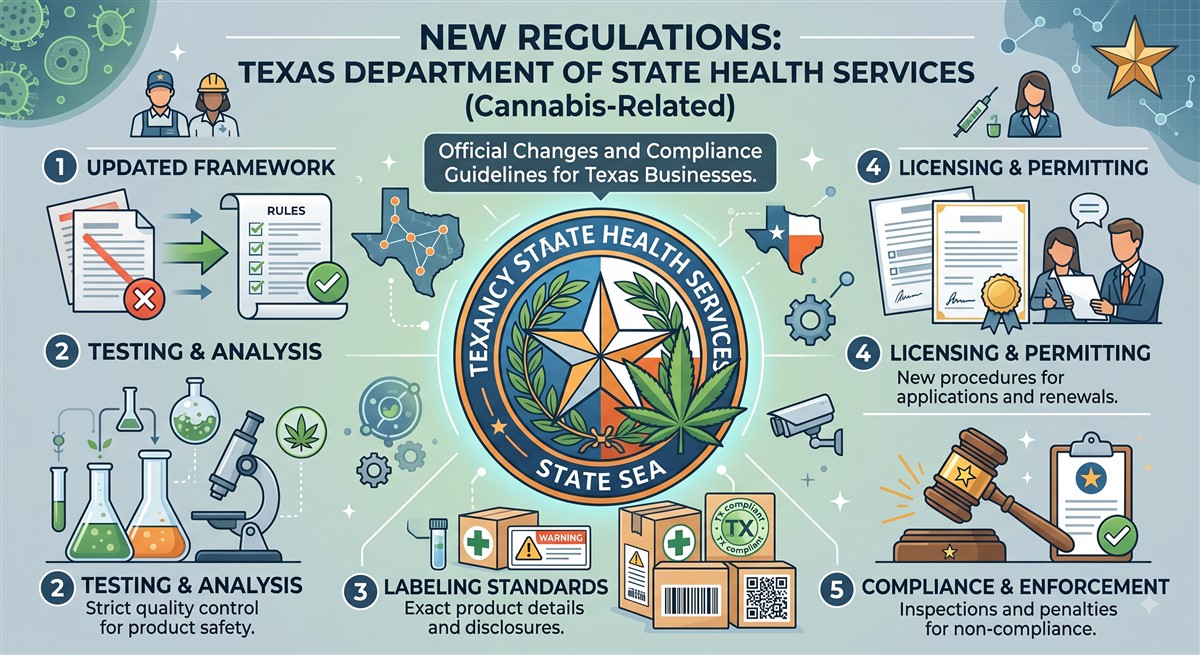
The Texas Department of State Health Services has implemented new rules for consumable hemp products that took effect on March 31, 2026. These regulations have significant implications for both businesses and consumers. For official information on these rules, visit the DSHS Hemp Program page.
Key Changes Include:
Higher Licensing Fees: The DSHS raised annual licensing fees dramatically. Manufacturer fees increased from $258 to $10,000 per facility, while retailer fees increased from $155 to $5,150. Some proposals have suggested even higher increases, with some businesses facing hikes of up to 13,000 percent.
Total THC Standard: The new rules introduced a “total THC” standard that includes THCA, a compound that converts into THC when heated. This change effectively bans many popular products like THCA flower.
Age Restrictions: The rules codified the purchasing age of 21 for consumable hemp products. This aligns with the emergency order previously put in place by the Texas Alcoholic Beverage Commission.
Child-Resistant Packaging: Products must now feature child-resistant packaging, tamper-evident seals, and proper labeling.
Product Registration: All CBD and CBG products must be registered with the state. Selling these products without a state-issued license is a criminal offense.
Legal Challenges
The new DSHS rules have faced legal challenges. In May 2026, a Travis County District Court judge issued a temporary injunction barring the DSHS from enforcing the new hemp rules. However, the Texas Fifteenth Court of Appeals later cleared the way for the rules to take effect again. The legal back-and-forth has created uncertainty for businesses and consumers alike.
The Texas Compassionate Use Program
Texas does have a medical cannabis program, known as the Texas Compassionate Use Program (CUP). This program allows for very limited low-THC cannabis (up to 1 percent THC) for patients with specific conditions. However, the program is limited in scope. It serves patients with conditions such as epilepsy, multiple sclerosis, and terminal cancer. The program has been criticized for being difficult to access and expensive. For most Texans, hemp-derived CBD products remain the most accessible option. These products do not require a medical recommendation and are available at retail stores across the state, provided they comply with the 0.3 percent THC limit.
What Products Are Legal in Texas?
The legal status of specific CBD products in Texas depends on their cannabinoid content and form.
Currently Legal:
CBD Oil and Tinctures: CBD oil with less than 0.3 percent delta-9 THC remains legal.
CBD Edibles and Gummies: These products remain legal as long as they comply with the 0.3 percent THC limit.
CBD Topicals: Topical products like creams and lotions are generally legal.
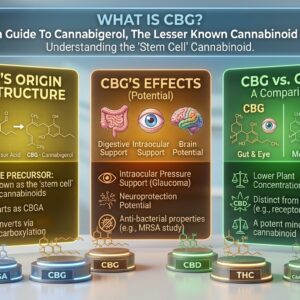
CBG Products: Cannabigerol (CBG) is a non-intoxicating component that remains legal under most proposals.
Restricted or Banned:
Delta-8 THC: The DSHS has classified delta-8 as a Schedule I controlled substance. Beginning July 31, 2026, the sale of smokeable products containing delta-8 will be banned.
Smokable Hemp Flower: The new DSHS rules effectively ban smokable hemp products. Stores that fail to remove flower and pre-rolled joints from their shelves face fines and penalties.
THCA Products: The new “total THC” standard effectively bans THCA flower and concentrates.
The Economic Impact of Texas CBD Regulations
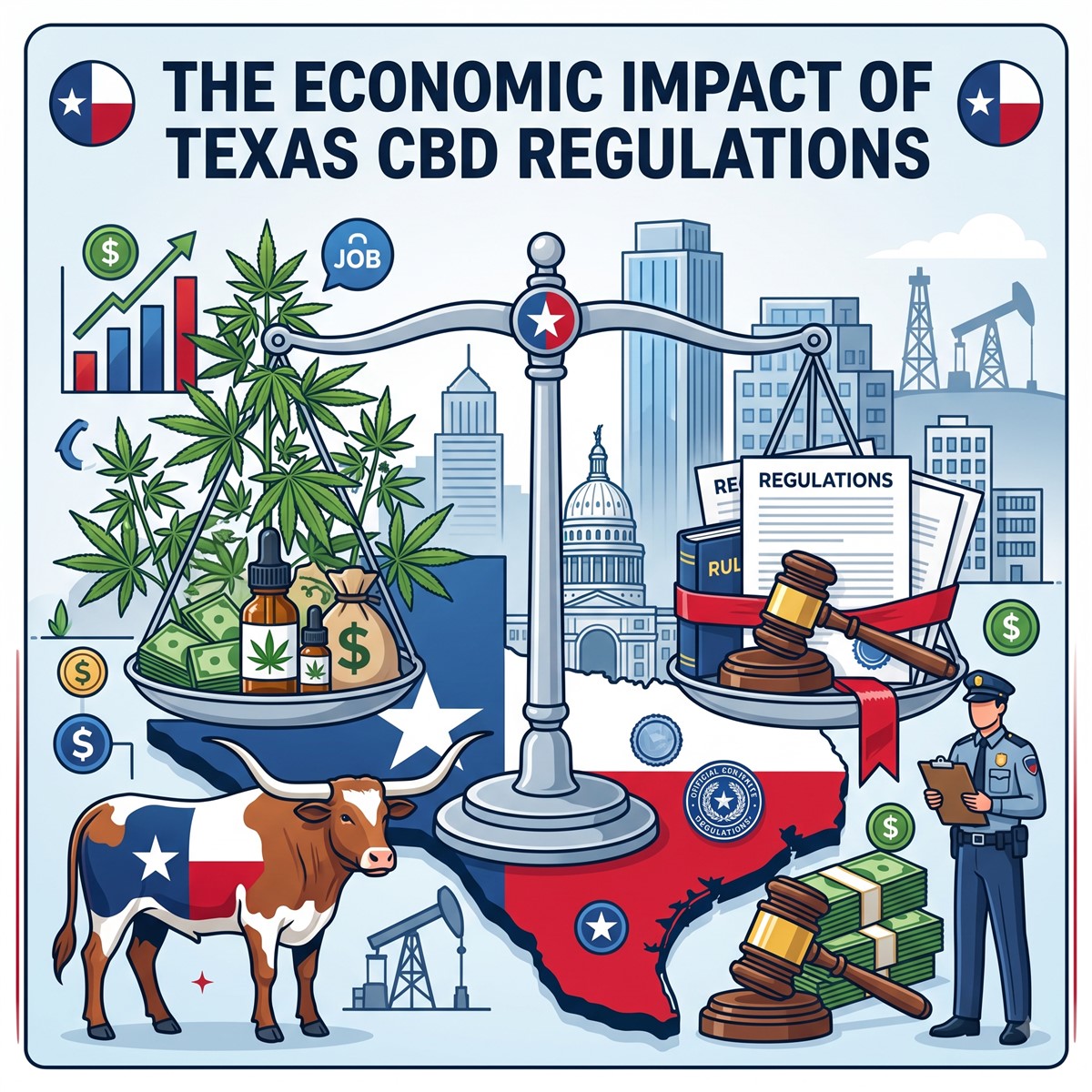
The hemp industry has become a significant economic force in Texas. A study published by Whitney Economics reports that the hemp industry has contributed more than $10 billion to the state’s economy since its legalization in 2019. However, the new regulations could have devastating effects. The same study predicted that restrictive laws would lead to more than 6,000 business closures and 40,000 job losses. There are currently more than 9,100 stores licensed to sell hemp products in Texas, and the industry is a multi-billion dollar enterprise. Business owners have expressed frustration with the regulatory changes. One retailer noted that the new licensing fees represent a more than 3,000 percent increase. Another said, “Their ultimate goal is to get us to close our doors”.
What Consumers Need to Know
If you are considering purchasing CBD oil in Texas, here are some practical tips:
Check the Label: Look for products that clearly state the CBD content and confirm that the THC content is below 0.3 percent.
Verify Third-Party Testing: Reputable brands provide Certificates of Analysis from independent laboratories. These documents confirm the product’s cannabinoid content and verify that it meets safety standards.
Understand the Risks: The legal landscape is changing rapidly. Products that are legal today may become restricted or banned in the future.
Buy from Reputable Sources: Brands like Hemp Therapies prioritize transparency and compliance with state regulations. Choosing a reputable brand can help ensure you are getting a product that meets legal standards.
Be Aware of Age Restrictions: You must be 21 or older to purchase consumable hemp products in Texas.
The Federal Outlook: November 2026 and Beyond
The future of CBD legality in Texas is also tied to federal developments. A provision in the 2026 Agriculture Appropriations Act will take effect on November 12, 2026. This law redefines hemp and imposes a strict 0.4 mg total THC cap per container. This federal change would effectively ban most hemp-derived products currently on the market. The impact on Texas would be significant, as the state’s hemp industry has grown rapidly since the 2018 Farm Bill. Efforts to strike the language from the funding bill have failed. Advocates were able to secure a one-year moratorium on the enactment of that portion of the bill, but the clock is ticking.
Frequently Asked Questions
Is CBD legal in Texas?
Yes, hemp-derived CBD products with less than 0.3 percent delta-9 THC are legal in Texas.
Is CBD oil legal in Texas?
Yes, CBD oil is legal in Texas as long as it contains less than 0.3 percent delta-9 THC.
Is delta-8 THC legal in Texas?
No. The Texas Department of State Health Services has classified delta-8 THC as a Schedule I controlled substance. Beginning July 31, 2026, the sale of smokeable products containing delta-8 will be banned.
Do I need a prescription for CBD in Texas?
No. Hemp-derived CBD products with less than 0.3 percent THC are available over the counter without a prescription.
Can I buy CBD online in Texas?
Yes, you can purchase CBD products online and have them shipped to Texas, provided they comply with state and federal laws.
What is the age limit for buying CBD in Texas?
You must be 21 or older to purchase consumable hemp products in Texas.
Will CBD become illegal in Texas?
The legal status of CBD in Texas is subject to change. Legislation like Senate Bill 5 could ban products containing any cannabinoid other than CBD and CBG. Additionally, a federal law taking effect on November 12, 2026, could reclassify many hemp-derived products.
Conclusion
So, is CBD legal in Texas? The answer is yes, but with significant caveats. Hemp-derived CBD products with less than 0.3 percent delta-9 THC remain legal under both state and federal law. However, the regulatory environment is complex and rapidly changing. The state has banned delta-8 THC, implemented new regulations that increase fees and restrict certain products, and is considering legislation that would further limit what is available. A federal law scheduled to take effect in November 2026 could also dramatically reshape the market. For consumers, staying informed is essential.
Understanding the current legal landscape can help you make informed decisions about purchasing and using CBD products in Texas. Reputable brands like Hemp Therapies prioritize compliance with state and federal regulations, ensuring their products meet the highest standards of quality and transparency. The future of CBD in Texas remains uncertain. What is clear, however, is that the industry will continue to evolve as lawmakers, regulators, and the courts shape the legal framework. Whether you are a consumer or a business owner, staying informed about these developments is the key to navigating the complex world of CBD legality in Texas.
Educational and Regulatory Disclaimer
This article is for educational and informational purposes only and is not medical advice. It does not recommend a dose or claim that a dietary supplement or CBD product diagnoses, treats, cures, mitigates, or prevents any disease. Dietary-supplement structure/function and general-well-being claims must be truthful, non-misleading, and substantiated; a disclaimer does not replace adequate evidence.3 Consult a qualified healthcare professional before using a dietary supplement, especially if you are pregnant or nursing, take medication, have a medical condition, or are considering a high dose.
These statements have not been evaluated by the Food and Drug Administration. This product is not intended to diagnose, treat, cure, or prevent any disease.