

Have you ever looked at a bottle of CBD oil and wondered how it got from a plant in a field to that small glass dropper bottle? The journey from hemp plant to finished product involves a fascinating and technically precise process. Understanding how manufacturers extract CBD from hemp can give you a greater appreciation for the quality and purity of the products you choose. This guide explains the primary methods for extracting CBD from hemp, the steps involved in creating finished CBD oil, and what to look for as a consumer.
From Plant to Extract: The Basics of Hemp Extraction
Hemp plants contain a complex mixture of compounds, including cannabinoids like CBD, terpenes, and flavonoids. These compounds reside primarily in the plant’s trichomes, which are tiny, resinous glands found on the flowers and leaves. To obtain these valuable compounds, manufacturers must separate them from the plant material.
The extraction process uses a solvent or mechanical force to break open the plant cells and release the desired compounds. The resulting liquid is called hemp extract, and this extract serves as the foundation for a wide range of finished products, from tinctures to capsules.
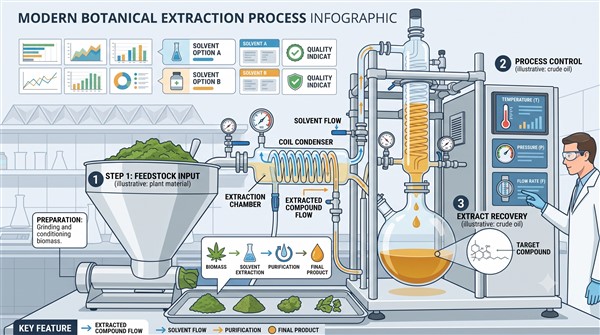
Before extraction can begin, the hemp plant material requires careful preparation. This typically involves harvesting, drying, and grinding the plant material to create a consistent biomass. This preparation ensures that the extraction process runs efficiently and yields a uniform product.
The Main Methods of CBD Extraction
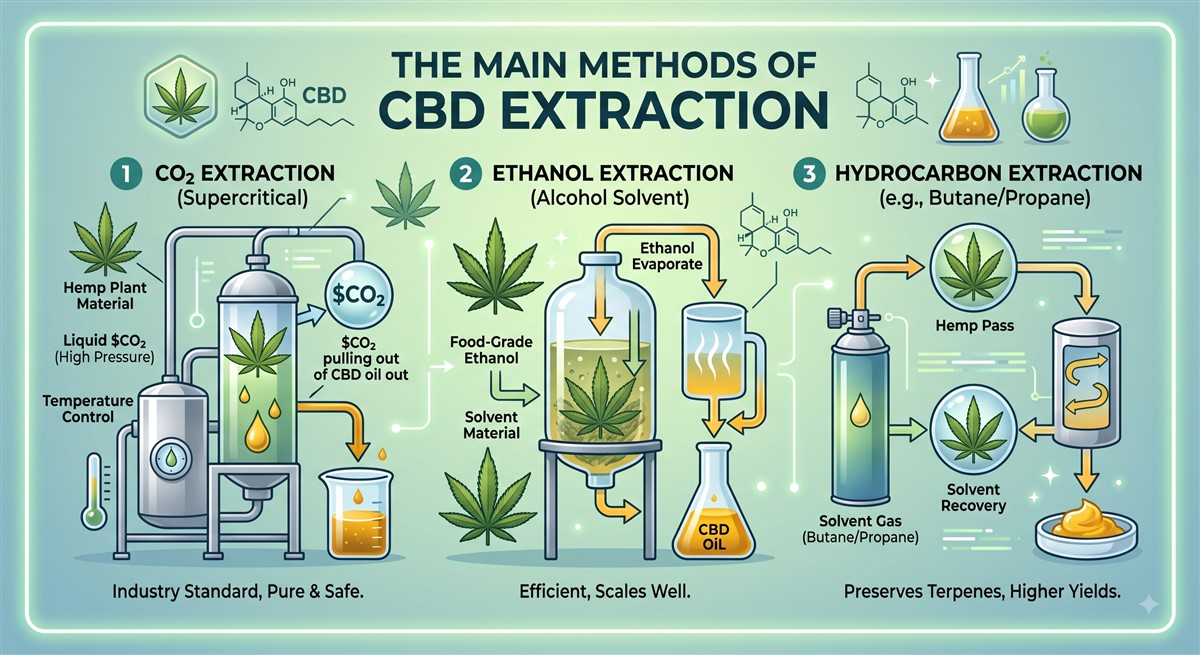
Several methods exist for extracting CBD from hemp, and each offers distinct advantages and considerations. The choice of method can significantly influence the final composition and quality of the extract.
Supercritical CO₂ Extraction
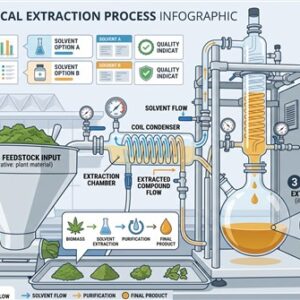
Supercritical CO₂ extraction stands as one of the cleanest and most efficient methods available. This process uses carbon dioxide (CO₂) under high pressure and low temperature to act as a solvent.
In this method, operators pressurize CO₂ to a point where it becomes “supercritical.” In this state, the CO₂ has properties of both a gas and a liquid, and it can efficiently pull cannabinoids, terpenes, and other compounds from the plant material. After extraction, releasing the pressure returns the CO₂ to a gaseous state, leaving behind a concentrated, solvent-free extract.
Supercritical CO₂ extraction offers several notable advantages. It is environmentally benign and consumer-friendly. Operators can adjust pressure and temperature to target specific compounds, making the process highly tunable. Supercritical CO₂ extracts can display a wide variety of cannabinoids, with research showing CBD content ranging from 12.8 to 20.6 mg/g in some extracts.
However, this method requires expensive equipment, representing a significant upfront investment. The process can also have longer extraction times compared to other methods.
Ethanol Extraction
Ethanol extraction is another common method, and it is particularly popular for its speed and cost-effectiveness. This process uses food-grade ethanol to dissolve the desirable compounds from the hemp plant.
Operators soak hemp biomass in ethanol, which pulls cannabinoids, terpenes, and other compounds from the plant material. They then filter the mixture and evaporate the ethanol, leaving behind a crude hemp extract.
Ethanol extraction is efficient and scalable, making it a popular choice for large-scale production. Research has shown that ethanol extracts can contain significant amounts of acidic cannabinoids like CBDA. However, ethanol also extracts chlorophyll and other plant materials, which can impart a bitter taste and dark color to the extract. Consequently, these extracts often require additional processing steps to remove these unwanted compounds.
The safety of the solvent is paramount in any extraction process. Regulations typically require that ethanol used for extraction be food-grade in accordance with FDA standards. Food-grade ethanol is considered safe and carries little to no chemical contamination risk.
Hydrocarbon Extraction
Hydrocarbon extraction uses solvents like butane or propane to extract cannabinoids and terpenes from hemp. This method is known for its ability to preserve delicate terpenes, resulting in extracts with robust flavor and aroma profiles.
However, hydrocarbon solvents are highly flammable and require specialized equipment and strict safety protocols. Their use is subject to strict regulations and is not permitted in all jurisdictions. Hydrocarbon extraction is often used to produce high-terpene concentrates where legally permitted and when safety measures are strictly followed.
Solventless Extraction
Solventless methods, such as ice water hash or rosin pressing, use physical means rather than chemical solvents to separate trichomes from the plant material. These methods involve using ice water and agitation to break off trichomes, which operators then collect and dry. Rosin pressing uses heat and pressure to squeeze the resinous oil from the plant material.
Solventless extraction appeals to consumers who prefer products made without any chemical solvents. However, these methods can be less efficient and may not yield as much extract as solvent-based methods. Many producers position these as premium, craft products.
The Step-by-Step Journey from Hemp to CBD Oil
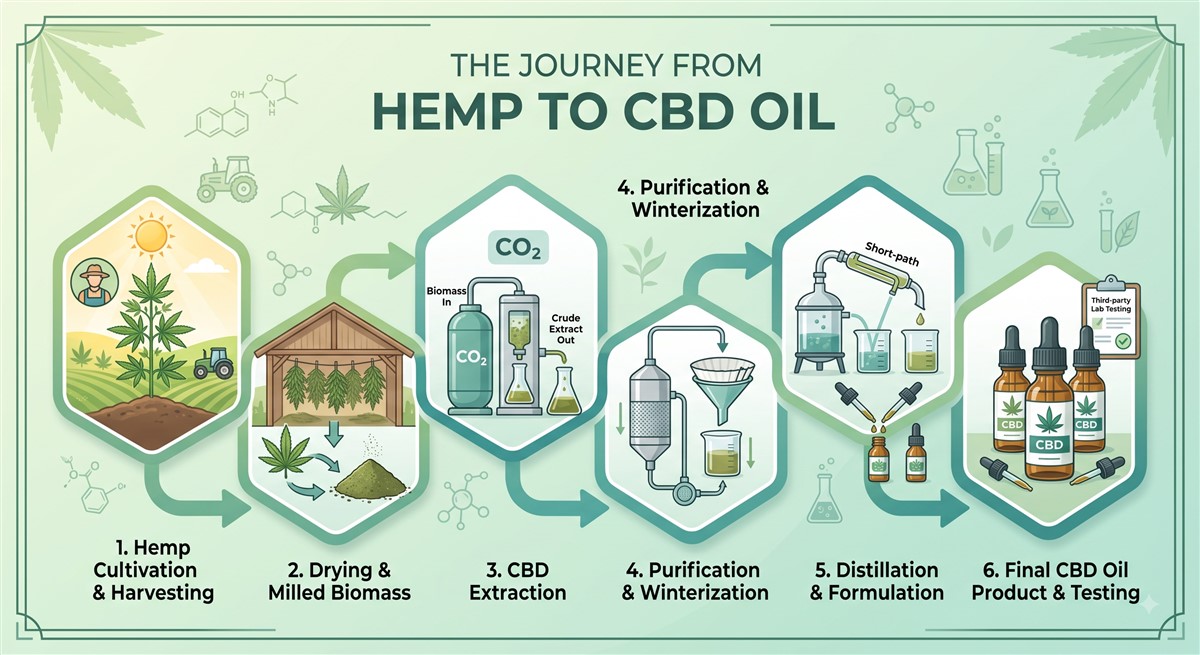
The journey from raw hemp to a bottle of CBD oil involves several critical steps beyond the initial extraction. These steps refine the extract and ensure the final product meets high quality standards.
Decarboxylation
Before extraction, or sometimes after, a process called decarboxylation may occur. Raw hemp contains cannabinoids in their acidic forms, such as CBDA (cannabidiolic acid). Decarboxylation is a heating process that removes a carboxyl group from these molecules, converting CBDA into CBD.
This step is essential for producing CBD, as the acidic form is not the same compound. Operators can achieve decarboxylation by heating the plant material or the extract itself at specific temperatures for a set period.
Winterization
After the initial extraction, the crude hemp extract often contains unwanted plant materials, such as fats, waxes, and lipids. Winterization is a process used to remove these compounds.
The process involves dissolving the crude extract in food-grade ethanol and then chilling the mixture to very low temperatures, typically around -20 degrees Celsius. At these low temperatures, the fats and waxes solidify. Operators can then filter these solids out, leaving a cleaner, more refined oil.
Distillation and Purification
Further purification may occur through distillation. Short-path distillation is a common method used to separate and concentrate specific cannabinoids. In this process, operators heat the extract under a vacuum, causing different compounds to vaporize at different temperatures. They then condense and collect these vapors, allowing for the isolation of CBD and other cannabinoids.
Additional purification steps, such as chromatography, can isolate CBD into a pure, crystalline form known as CBD isolate.
The Importance of Quality and Compliance
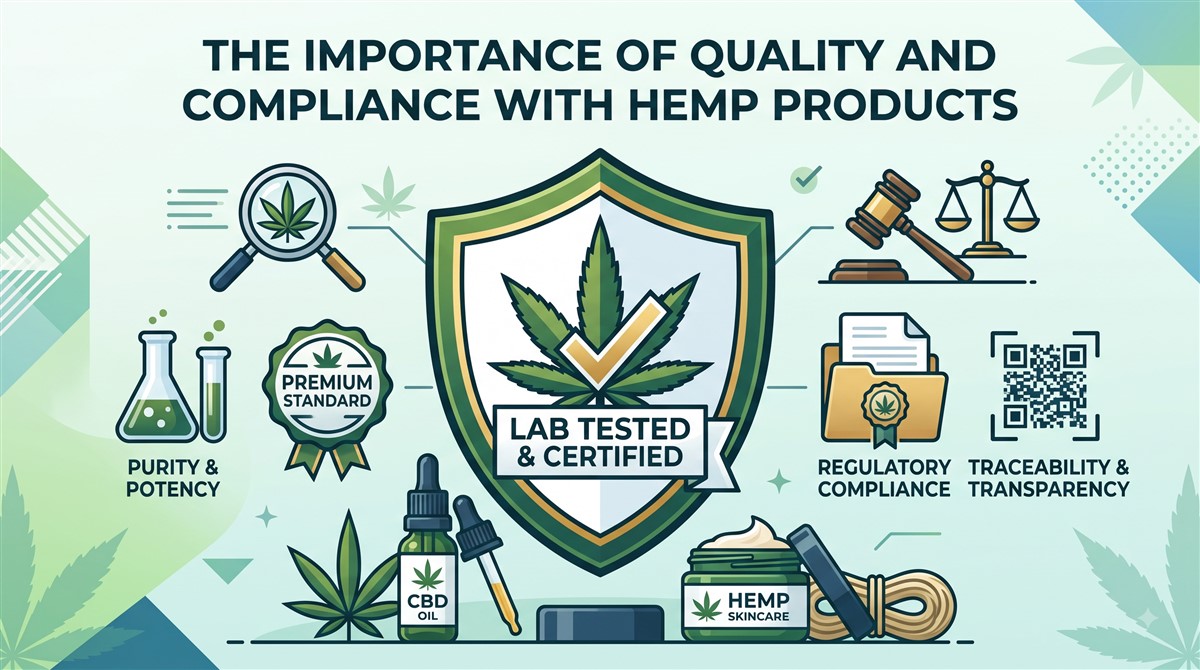
The extraction process is a complex manufacturing procedure subject to regulation to ensure product safety and quality. In New York State, anyone processing, manufacturing, or selling cannabinoid hemp must obtain a license from the Office of Cannabis Management (OCM). This includes those who extract hemp extract or manufacture cannabinoid hemp products.
Regulations establish standards for manufacturing, laboratory testing, packaging, and labeling. Processors must follow good manufacturing processes (GMP). Hemp extract must be manufactured into a finished cannabinoid hemp product before it can be offered for retail sale.
At the federal level, the FDA retains authority over hemp-derived products. The FDA has issued warning letters to companies for illegally selling CBD products and continues to evaluate the regulatory frameworks for these products. The 2018 Farm Bill preserved the FDA’s authority to regulate hemp products, meaning they must meet all applicable FDA requirements and standards.
When choosing a product, look for brands that demonstrate a commitment to these standards. Reputable companies like Hemp Therapies ensure their products are manufactured in compliance with state regulations and are backed by third-party laboratory testing to verify purity and potency.
Frequently Asked Questions
What is the most common method for extracting CBD from hemp?
Supercritical CO₂ extraction is widely considered one of the best methods due to its clean, efficient, and tunable nature. However, ethanol extraction is also very common, especially for large-scale production.
Is it safe to use solvents to extract CBD?
Yes, when done correctly and with food-grade solvents. Regulations require that solvents like ethanol be food-grade. The final product also undergoes testing to ensure no harmful solvents remain.
What is the difference between full-spectrum and isolate?
Full-spectrum extract contains all the naturally occurring compounds found in the hemp plant, including trace amounts of THC. CBD isolate is a pure, crystalline form that contains only CBD, with all other compounds removed.
Why is decarboxylation important?
Decarboxylation is the process that converts the acidic form of CBD (CBDA) found in raw hemp into the neutral form (CBD). This step is essential for producing CBD oil.
How are hemp products regulated?
Hemp products are regulated at both the state and federal levels. In New York State, the OCM requires licenses for processing and selling cannabinoid hemp products. The FDA also has authority over these products and requires they meet applicable standards.
Conclusion
The process of extracting CBD from hemp is a sophisticated blend of science and engineering. From the initial preparation of the plant material to the final purification steps, each stage is designed to produce a high-quality, consistent extract. The most common methods, supercritical CO₂ and ethanol extraction, each offer distinct advantages, and the choice of method can influence the final product’s composition.
Understanding this process allows you to be a more informed consumer. It highlights the importance of quality control, compliance with regulations, and the transparency that reputable brands like Hemp Therapies provide. When you look at a bottle of CBD oil, you can now appreciate the careful work that went into creating it, from the hemp field to the finished product.
Related Hemp Therapies Formulations
The following pages show how Hemp Therapies formulates products for wellness support. They are commercial products or collection pages, not evidence of combined effects between different products.
Readers who want to see how Hemp Therapies approaches cannabinoid products can review the ingredients, strength, directions, and available testing for 9000mg CBN Oil.
For a cannabinoid formulation without ND THC, the 9000mg Broad Spectrum CBD Oil product page provides product-specific ingredients, strength, and testing information. This link is included as a related product example, not as evidence of synergistic effects between different products.
To compare the full range of products currently offered by Hemp Therapies, visit the product collection. Each product should be evaluated on its own formulation, testing, and intended use.
Educational and Regulatory Disclaimer
This article is for educational and informational purposes only and is not medical advice. It does not recommend a dose or claim that a dietary supplement or CBD product diagnoses, treats, cures, mitigates, or prevents any disease. Dietary-supplement structure/function and general-well-being claims must be truthful, non-misleading, and substantiated; a disclaimer does not replace adequate evidence.3 Consult a qualified healthcare professional before using a dietary supplement, especially if you are pregnant or nursing, take medication, have a medical condition, or are considering a high dose.
These statements have not been evaluated by the Food and Drug Administration. This product is not intended to diagnose, treat, cure, or prevent any disease.