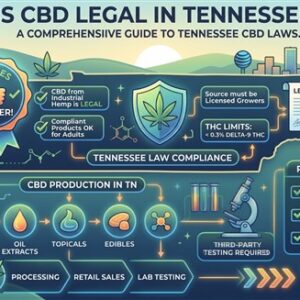


If you live in Tennessee or are planning to visit the Volunteer State, you might be wondering: is CBD legal in Tennessee? The answer is yes, but the legal landscape is undergoing significant and rapid change. However, while hemp‑derived CBD products are legal under both federal and Tennessee law, the state has enacted a sweeping new regulatory framework that fundamentally alters how these products are manufactured, distributed, and sold. Furthermore, recent legislative actions, new licensing requirements, and upcoming bans on certain cannabinoids have created a complex environment that can confuse consumers and business owners alike. This guide provides a clear, factual overview of CBD legality in Tennessee. Specifically, it covers the current legal status of CBD oil in Tennessee, explains the new Hemp‑Derived Cannabinoid (HDC) law, details the upcoming THCA ban, and highlights what consumers need to know about purchasing and using CBD products in the state.
The Short Answer: Is CBD Legal in Tennessee?
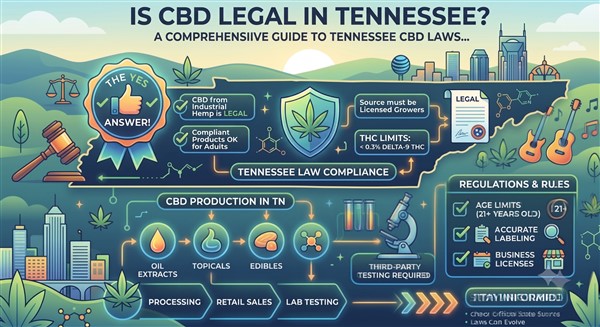
Yes, CBD is legal in Tennessee, but with important conditions. Under both federal and Tennessee law, hemp‑derived CBD products with less than 0.3 percent delta‑9 THC on a dry weight basis are legal. Tennessee first passed a CBD‑focused law, SB 2531, in 2014. This law established an allowable threshold of THC in CBD oils of up to 0.9 percent. The state later aligned with the federal definition of hemp following the 2018 Farm Bill. However, Tennessee does not have a comprehensive medical cannabis program. The state’s low‑THC program grants legal protections from prosecution to enrolled patients but includes no in‑state access to cannabis products. Consequently, for most Tennesseans, hemp‑derived CBD products remain the most accessible option. These products do not require a medical recommendation and are available at retail stores across the state, provided they comply with state laws.
The New Hemp‑Derived Cannabinoid Law: A Complete Overhaul
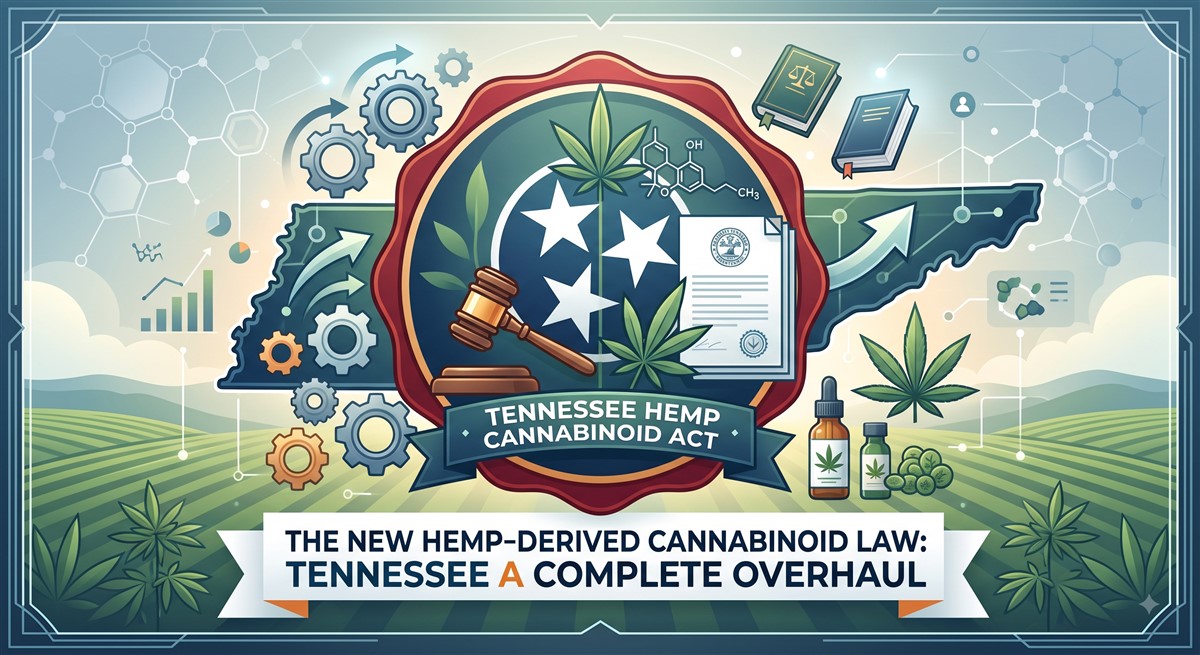
The most significant development in Tennessee CBD law is the enactment of Public Chapter 526. This law creates a comprehensive regulatory framework for Hemp‑Derived Cannabinoid (HDC) products. The new law took effect on January 1, 2026, and it represents a complete overhaul of how the state regulates hemp and CBD products.
Transfer of Regulatory Authority
One major change in the new law is the transfer of licensing, regulation, and enforcement over hemp products. This authority moves from the Tennessee Department of Agriculture (TDA) to the Tennessee Alcoholic Beverage Commission (TABC), effective January 1, 2026. Therefore, the TABC will now oversee the manufacturing, supplying, wholesale distribution, and retail sale of hemp‑derived cannabinoid products. The Department of Agriculture stopped accepting new HDC license applications on December 22, 2025. All applications must now submit to the TABC. This shift places hemp regulation under an agency with experience in regulating intoxicating products.
Three‑Tier Licensing System
The new law establishes a three‑tier licensing system for hemp‑derived cannabinoid products. This system resembles the framework used for alcoholic beverages and requires separate licenses for suppliers, wholesalers, and retailers of HDC products. For instance, retailers can sell HDCPs only with a valid license. The new law limits retail HDCP sales to businesses that are 21 and up, retail package stores, and liquor by the drink licensees, such as restaurants, bars, and hotels. Conspicuously absent from the list of permitted retailers are grocery stores, convenience stores, and drug stores, which cannot sell HDCPs. Additionally, liquor by the drink licensees are limited to the sale of HDCPs intended for consumption on the premises, such as beverages, and cannot sell HDCPs to‑go.
New Taxes and Fees
The new law also changes the tax structure for hemp products. Starting January 1, 2026, wholesalers began paying a new wholesale tax to the state. This new tax replaces the existing 6 percent retail tax on HDC products and shifts the tax burden from the consumer to the wholesale level. Moreover, the new law introduces new licensing fees. While the previous fee was $250, the TABC will likely implement higher fees under the new framework.
Product Testing and Labeling Requirements
The new law establishes rigorous product testing standards and labeling requirements. For example, the TABC now mandates scannable QR codes that link directly to Certificates of Analysis (COAs) for each product. These COAs must come from ISO 17025 accredited laboratories registered with the TABC and must include full panel results for potency, heavy metals, and microbiological contaminants. This requirement is intended to deliver greater transparency and confidence for consumers.
Age Restrictions
The new law prohibits the sale of Hemp‑Derived Cannabinoid Products to anyone under 21. Emergency rules adopted in September 2025 first established mandatory age verification. Now, this requirement is codified in the new law. Purchasing any legal hemp products in the state now requires an in‑person transaction with a valid ID for those 21 and older.
The THCA Ban: What Changes on July 1, 2026
One of the most significant and controversial aspects of Tennessee’s new hemp laws is the ban on THCA. THCA, or tetrahydrocannabinolic acid, is an acidic precursor to THC that converts to delta‑9 THC when heated through smoking or vaping. Previously, regulators had not specifically regulated this compound, which led to an abundance of THCA‑laced products on the market.
The Ban Takes Effect
The ban on THCA was initially set to take effect on January 1, 2026. However, lawmakers and industry stakeholders reached a last‑minute compromise that postponed the ban until July 1, 2026. Beginning July 1, 2026, Tennessee law prohibits products with over 0.3 percent THCA. This effectively bans smokeable hemp flower and many other popular products. The law reclassifies THCA, making many currently legal products illegal.
Impact on Businesses and Consumers
The THCA ban has significant implications for both businesses and consumers. Vape shops and hemp stores across the state are preparing for the change. Many report record sales as customers stock up on THCA products before the ban takes effect. Business owners have expressed frustration with the new regulations. One retailer noted that “literally everything changes at midnight” on July 1. The ban will likely eliminate a significant portion of the hemp market. Some estimates suggest that 75 percent of the market could be affected.
What Products Are Legal in Tennessee?
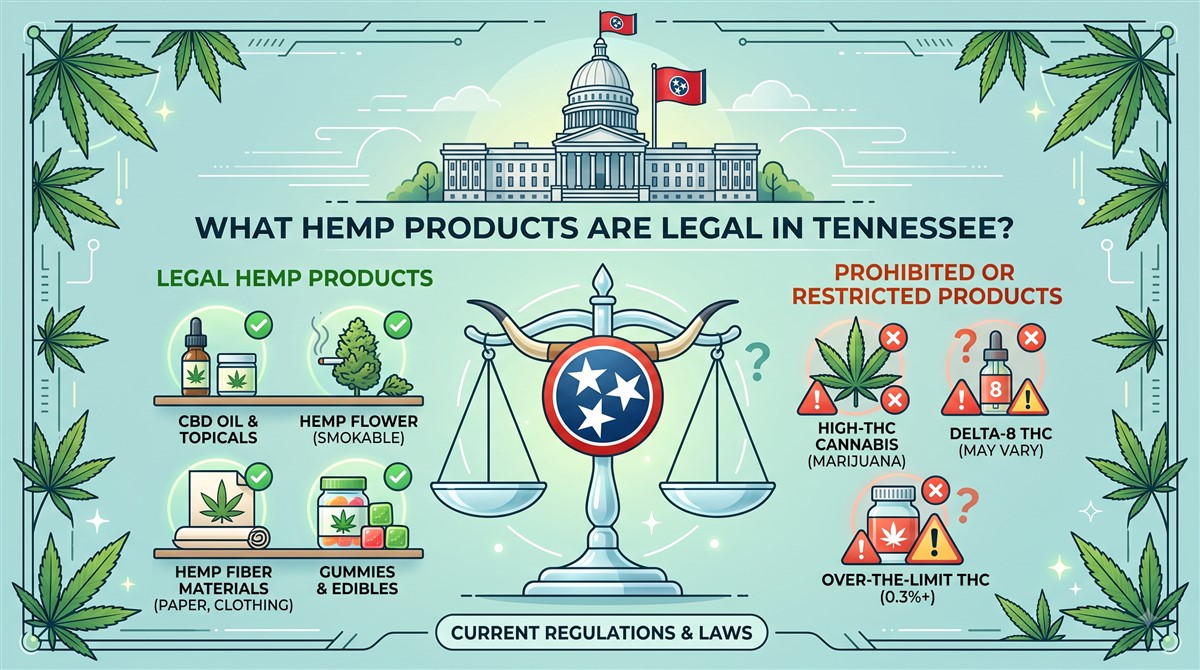
The legal status of specific CBD products in Tennessee depends on their cannabinoid content and form. The landscape is changing rapidly, so consumers must stay informed.
Currently Legal (as of July 2026)
CBD Oil and Tinctures: CBD oil with less than 0.3 percent delta‑9 THC and less than 0.3 percent THCA remains legal.
CBD Edibles and Gummies: These products remain legal as long as they comply with the THC and THCA limits and are sold by licensed retailers.
CBD Topicals: Topical products like creams and lotions are generally legal, especially those with very low THC concentrations.
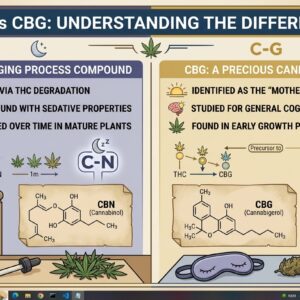
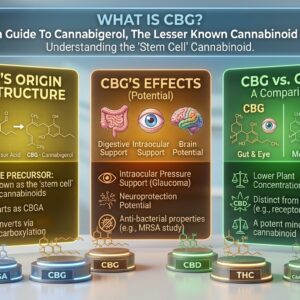
CBG Products: Cannabigerol (CBG) is a non‑intoxicating cannabinoid that may remain available.
Restricted or Banned
THCA Products: Beginning July 1, 2026, products with over 0.3 percent THCA are banned. This includes most smokeable hemp flower and many concentrates.
Products Exceeding THC Limits: Any CBD product with a THC concentration exceeding 0.3 percent on a dry weight basis is illegal.
Products Sold by Unlicensed Retailers: Only licensed retailers may sell HDC products. Grocery stores, convenience stores, and drug stores cannot sell these products.
Online Sales: The new law prohibits online sales of hemp products in Tennessee. Purchases must be made in person with a valid ID.
Licensing Requirements for CBD Businesses
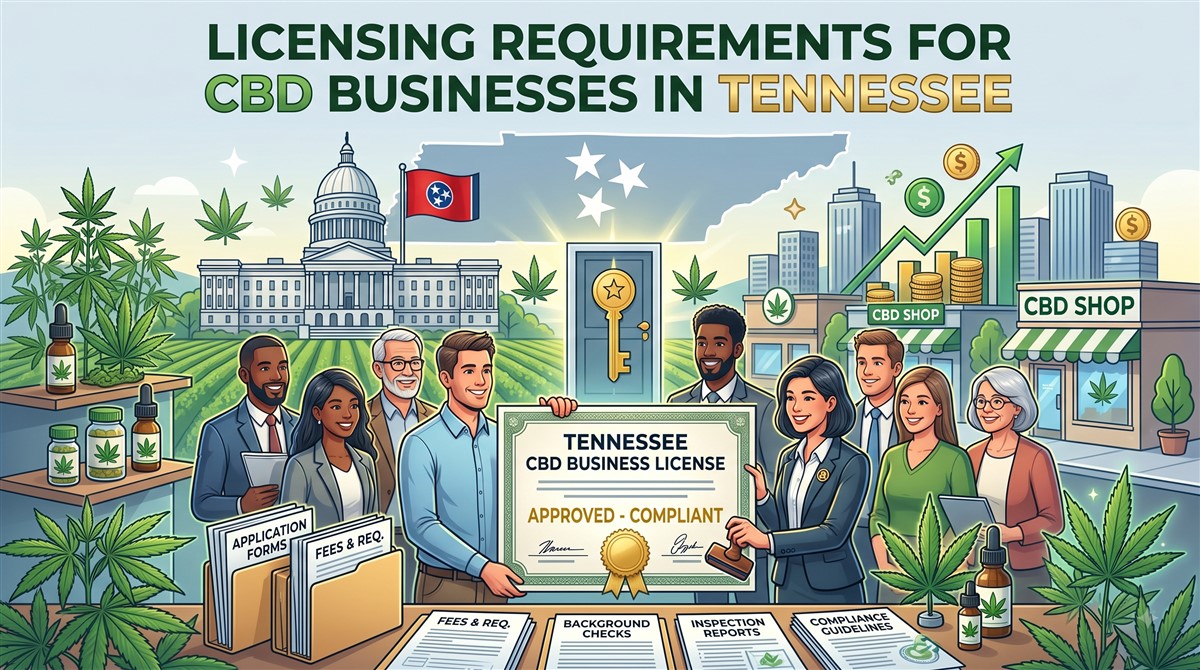
The new regulatory framework places significant new requirements on businesses that manufacture, distribute, or sell CBD products in Tennessee.
Who Needs a License
Anyone who manufactures, produces, wholesales, or sells hemp‑derived cannabinoid products in Tennessee must obtain a valid license. Selling these products without a valid license is a Class A misdemeanor. The TABC has been actively investigating unlicensed retailers. Reports indicate that the agency investigated 650 unlicensed hemp retailers across the state.
Transition from TDA to TABC
Businesses holding a valid Tennessee Department of Agriculture hemp license before December 31, 2025, may continue operating under that license through June 30, 2026. After that date, all businesses must obtain a TABC license. The TABC began accepting hemp license applications on December 20, 2025. Licenses approved prior to January 1, 2026, have an effective date of January 1, 2026.
Penalties for Non‑Compliance
Businesses not in compliance with the new regulations face significant penalties. Selling hemp‑derived products without a license is a misdemeanor. After four violations in the span of two years, business licenses can be revoked. The TABC can also impose administrative penalties, including fines and stop‑sale orders.
What Consumers Need to Know
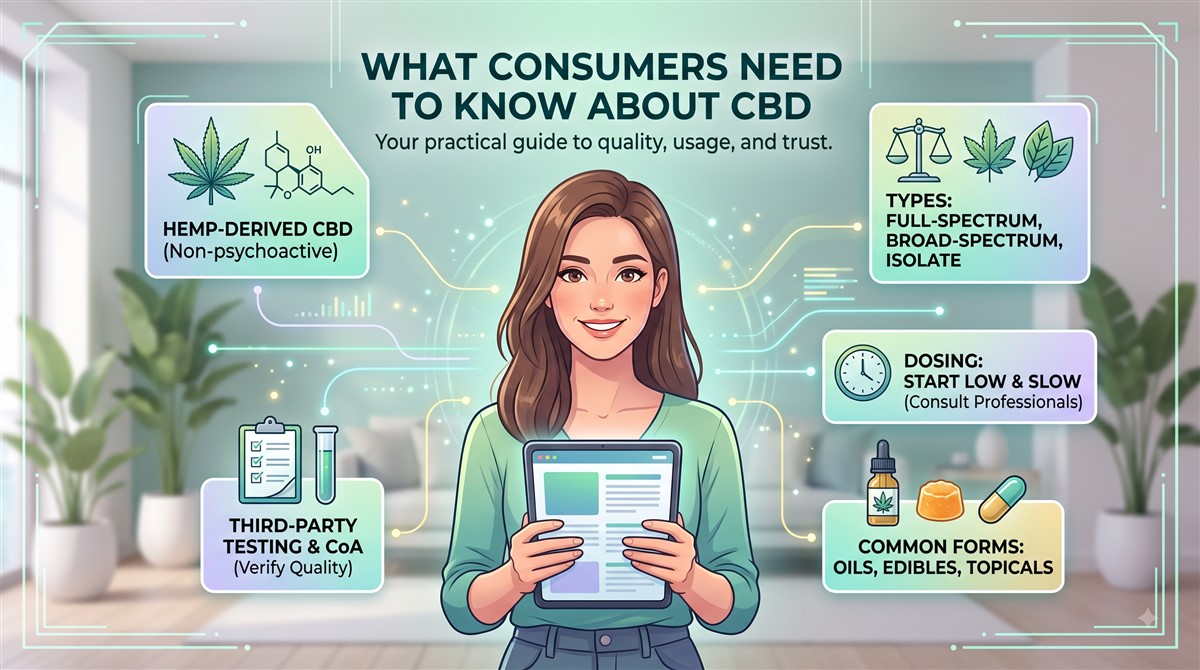
If you are considering purchasing CBD oil in Tennessee, here are some practical tips to navigate the new legal landscape.
Check the Label: Look for products that clearly state the CBD content and confirm that the THC content is below 0.3 percent. Also verify that the THCA content is below 0.3 percent, as products exceeding this limit will become illegal on July 1, 2026.
Verify Third‑Party Testing: Reputable brands provide Certificates of Analysis from independent laboratories. These documents confirm the product’s cannabinoid content and verify that it meets safety standards. The new law requires scannable QR codes that link directly to COAs for each product. For official information on Tennessee’s hemp regulations, you can visit the Tennessee Alcoholic Beverage Commission website.
Buy from Licensed Retailers: Only licensed retailers may sell hemp products in Tennessee. Grocery stores, convenience stores, and drug stores cannot sell these products under the new law.
Understand the Risks: The legal landscape is changing rapidly. Products that are legal today may become restricted or banned in the future, especially after the July 1, 2026 THCA ban and the November 2026 federal changes take effect.
Buy from Reputable Sources: Brands like Hemp Therapies prioritize transparency and compliance with state regulations. Choosing a reputable brand can help ensure you are getting a product that meets legal standards.
Be Aware of Age Restrictions: You must be 21 or older to purchase hemp‑derived cannabinoid products in Tennessee.
The Federal Outlook: November 2026 and Beyond
The future of CBD legality in Tennessee also ties to federal developments. A provision in the 2026 Agriculture Appropriations Act is scheduled to take effect on November 12, 2026. This law redefines hemp and imposes a strict 0.4 mg total THC cap per container. This change would effectively ban most hemp‑derived products currently on the market. The impact on Tennessee could be dramatic, as the state’s hemp industry has grown significantly since the 2018 Farm Bill.
Frequently Asked Questions
Is CBD legal in Tennessee?
Yes, hemp‑derived CBD products with less than 0.3 percent delta‑9 THC and less than 0.3 percent THCA are legal in Tennessee. However, the state has enacted new regulations that significantly restrict how these products can be sold.
Is CBD oil legal in Tennessee?
Yes, CBD oil is legal in Tennessee as long as it complies with the state’s THC and THCA limits and is sold by a licensed retailer.
Is hemp legal in Tennessee?
Yes, hemp is legal to grow in accordance with Tennessee Department of Agriculture rules and regulations. However, marijuana is not legal in Tennessee and is subject to the Controlled Substances Act.
Do I need a prescription for CBD in Tennessee?
No. Hemp‑derived CBD products with less than 0.3 percent THC are available without a prescription from licensed retailers.
Can I buy CBD online in Tennessee?
No. The new law prohibits online sales of hemp products in Tennessee. Purchases must be made in person with a valid ID.
What is the age limit for buying CBD in Tennessee?
You must be 21 or older to purchase hemp‑derived cannabinoid products in Tennessee.
What is the THCA ban?
Beginning July 1, 2026, Tennessee law prohibits products with over 0.3 percent THCA. This effectively bans smokeable hemp flower and many other popular products.
What is changing in federal law?
A new federal law takes effect on November 12, 2026. This law will impose a strict 0.4 mg total THC cap per container, which could reclassify many hemp‑derived products.
Conclusion
So, is CBD legal in Tennessee? The answer is yes, but the regulatory environment is complex and undergoing significant change. Hemp‑derived CBD products with less than 0.3 percent delta‑9 THC remain legal under both state and federal law. However, Tennessee has enacted a sweeping new regulatory framework that transfers oversight to the TABC, establishes a three‑tier licensing system, imposes new taxes and fees, and restricts where and how these products can be sold. The ban on THCA, which takes effect on July 1, 2026, will eliminate many popular products from the market. Therefore, for consumers, staying informed is essential.
Understanding the current legal landscape can help you make informed decisions about purchasing and using CBD products in Tennessee. Reputable brands like Hemp Therapies prioritize compliance with state and federal regulations, ensuring their products meet the highest standards of quality and transparency. The future of CBD in Tennessee remains uncertain. What is clear, however, is that the industry will continue to evolve as lawmakers, regulators, and the courts shape the legal framework. Whether you are a consumer or a business owner, staying informed about these developments is the key to navigating the complex world of CBD legality in Tennessee.
Educational and Regulatory Disclaimer
This article is for educational and informational purposes only and is not medical advice. It does not recommend a dose or claim that a dietary supplement or CBD product diagnoses, treats, cures, mitigates, or prevents any disease. Dietary-supplement structure/function and general-well-being claims must be truthful, non-misleading, and substantiated; a disclaimer does not replace adequate evidence.3 Consult a qualified healthcare professional before using a dietary supplement, especially if you are pregnant or nursing, take medication, have a medical condition, or are considering a high dose.
These statements have not been evaluated by the Food and Drug Administration. This product is not intended to diagnose, treat, cure, or prevent any disease.