


Liposomal CBD represents an innovative formulation approach in the world of cannabinoid products. This advanced CBD delivery method uses liposome technology to encapsulate cannabidiol (CBD) molecules within microscopic phospholipid structures. Liposomes feature a unique bilayer structure that mirrors natural cell membranes throughout the body.
Unlike traditional CBD oil products, liposomal CBD uses phospholipid encapsulation technology. Each liposome surrounds CBD molecules within a phospholipid bilayer. This formulation method has become increasingly popular among consumers comparing CBD products with different delivery characteristics.
The Science Behind Liposome Technology
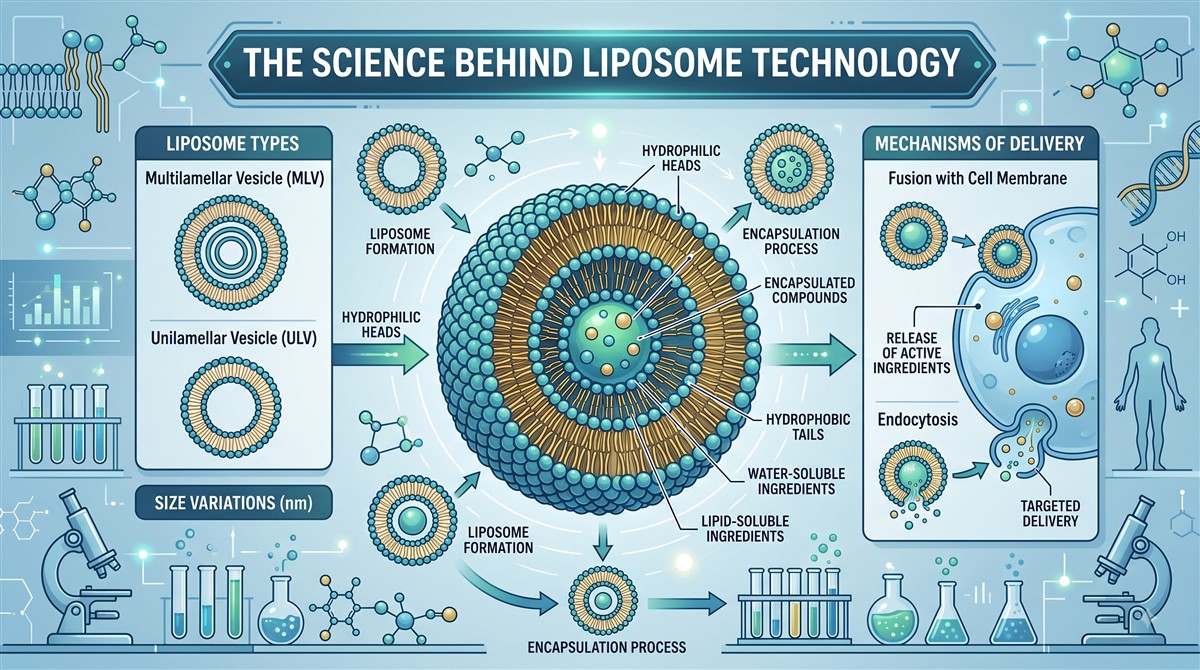
Understanding Liposomal Delivery Systems
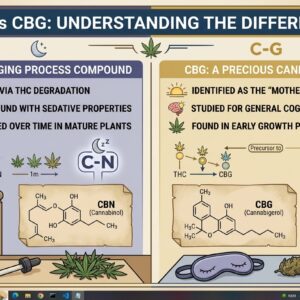
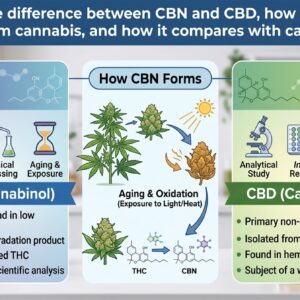
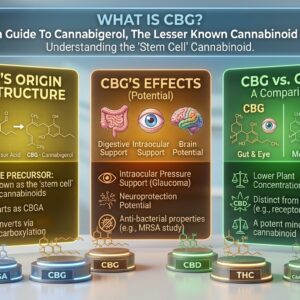
Microscopic spherical structures called liposomes consist of phospholipids, which manufacturers often source from sunflower. The liposome structure allows them to encapsulate active ingredients, including cannabinoids from hemp extracts such as CBG and CBN. Liposomal technology therefore creates a unique delivery system that differs significantly from standard CBD tincture formulations.
Encapsulating CBD within these lipid-based vesicles represents one approach in CBD product development. When CBD encapsulated in liposomes enters the digestive system, the phospholipid structure provides a different delivery format compared with traditional CBD oil products.
Bioavailability and Absorption Considerations
One of the primary focuses in liposomal CBD oil development is bioavailability – the proportion of CBD that enters the bloodstream after administration. Traditional CBD products often face challenges when passing through the digestive process, where various enzymes in the body may affect the cannabinoid before absorption.
Manufacturers design liposomal CBD to use a different formulation approach during digestion. The delivery characteristics of liposomal systems have attracted interest among people exploring different CBD administration methods. By using liposomal CBD, consumers are choosing a different formulation method from standard hemp extract products.
Although manufacturers design liposomal formulations to alter CBD delivery, current evidence does not establish that every liposomal CBD product provides greater absorption or better health outcomes than conventional CBD oil. Results can vary by formulation, product quality, and study design, so consumers should assess each product on its own evidence.
Liposomal CBD Technology and Delivery
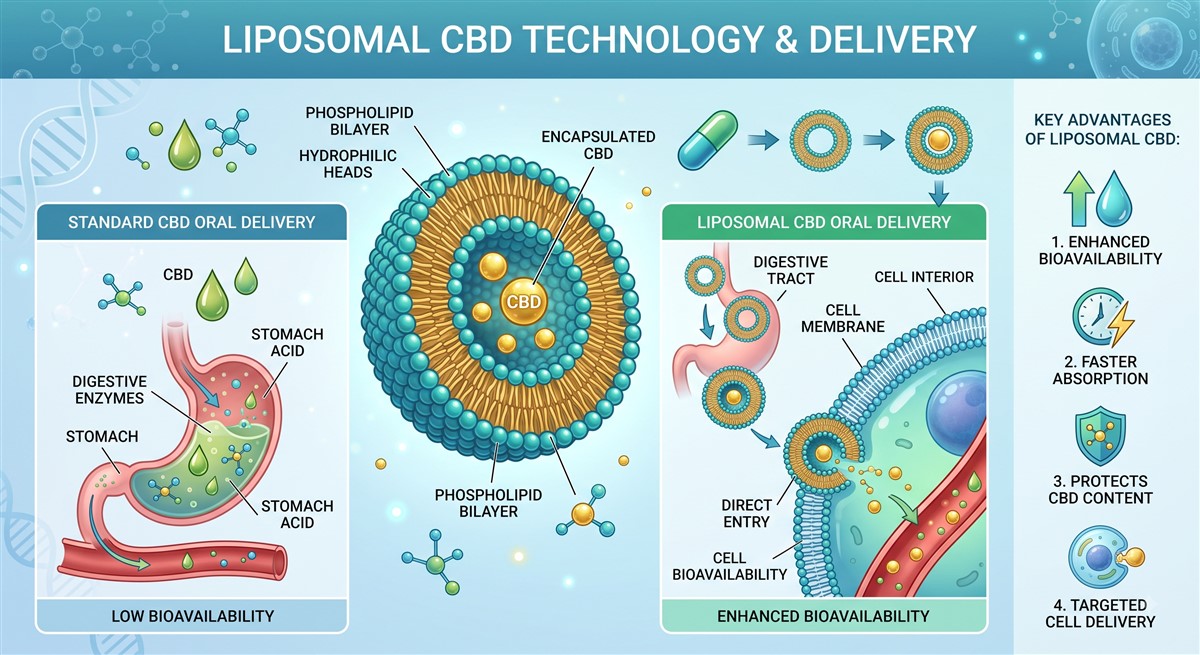
Liposomal Encapsulation Mechanisms
A different delivery mechanism distinguishes liposomal CBD. Manufacturers design the liposomal structure to encapsulate CBD within phospholipid carriers during delivery. This CBD liposomal hemp extract formulation uses a different delivery approach compared to traditional CBD products.
When taking CBD in liposomal form, the encapsulation process helps distinguish the product from conventional CBD oil formulations. The phospholipid structure of liposomes is similar to natural cell membranes, making liposomes a unique carrier system for CBD formulations.
Formulation and Delivery Characteristics
Liposomal CBD products feature a unique formulation based on phospholipid encapsulation technology. The particle size of liposomes and their soluble nature in both water and lipid environments make them versatile carriers for CBD delivery. This dual solubility is one of the distinguishing characteristics of liposomal delivery systems.
Manufacturers design the CBD liposomal formulation to help protect the cannabinoid during digestion. This intended use of phospholipid encapsulation is one of the distinguishing characteristics of liposomal CBD formulations.
For an example of this technology, our 9000mg Liposomal Full Spectrum CBD Oil uses the same liposomal delivery technology.
Quality Considerations for Liposomal CBD Oil
Manufacturing Standards and Extraction Methods
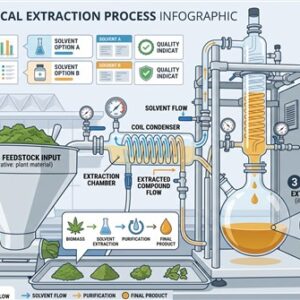
Manufacturers typically use supercritical CO2 extraction to obtain premium hemp extract for high-quality liposomal CBD products. This extraction method helps preserve the full spectrum of cannabinoids while maintaining purity and potency. Many products feature broad-spectrum hemp extract, which contains various cannabinoids and compounds that may contribute to the entourage effect, minus the THC.
Reputable manufacturers often use sunflower-derived phosphatides rather than soy-based alternatives, catering to those with dietary restrictions. The addition of natural flavors and complementary ingredients like tocopherol (vitamin E) and hemp seed oil may enhance the overall product experience.
Third-Party Testing and Transparency
When selecting CBD products, including liposomal formulations, it’s important to look for those that provide a certificate of analysis from independent laboratories. These documents verify the cannabinoid content, confirm THC levels remain below legal limits (ensuring the product is non-psychoactive), and test for contaminants.
The Food and Drug Administration does not currently regulate CBD products in the same way as medications, making third-party testing particularly important for quality assurance. Consumers should verify that their chosen liposomal CBD oil meets standards for purity and potency. The same liposomal delivery principles that apply to CBD also underpin other advanced supplements — for a deeper look at how this technology works across different compounds, read our Liposomal Glutathione and Advanced Supplementation Guide.
How to Use Liposomal CBD Oil
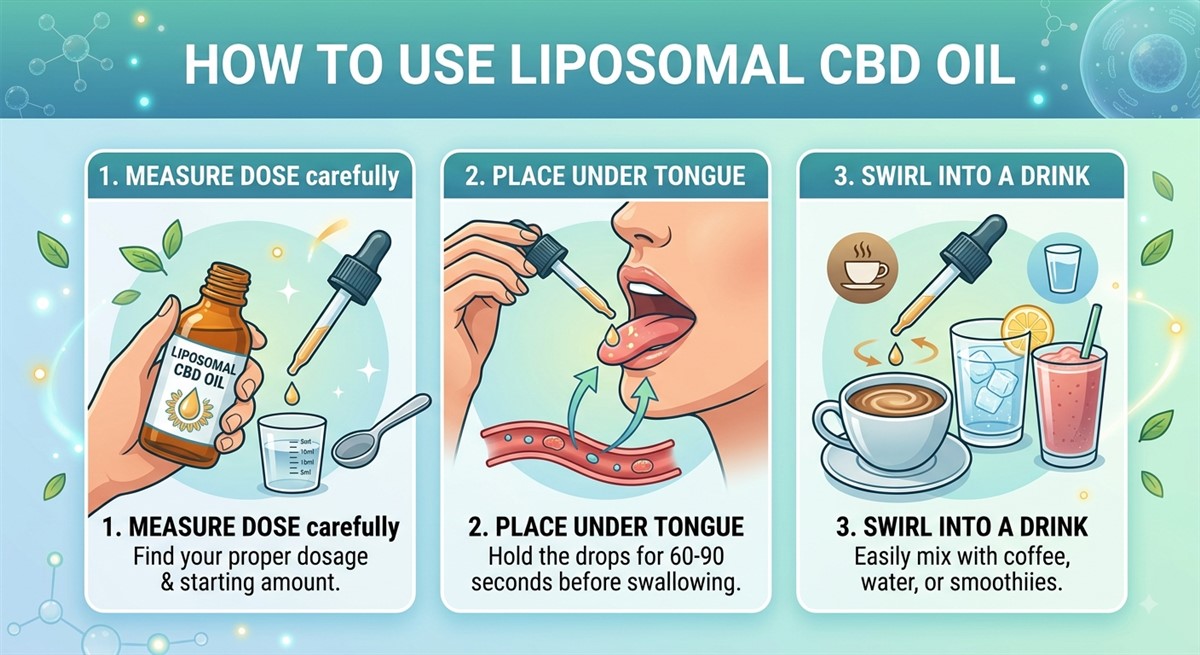
Dosage Considerations
Determining the appropriate dosage of liposomal CBD oil varies by individual. Due to differences in formulation, users may find they prefer different serving sizes compared to traditional CBD oil products. Consumers typically start with the manufacturer’s recommended CBD per serving and adjust as needed.
Consult a healthcare professional before beginning any CBD regimen, especially if you have a medical condition or take other medications. A qualified professional can provide personalized guidance on CBD administration and help determine appropriate dosing strategies.
Methods of Administration
Most liposomal CBD products come in liquid form, similar to a CBD tincture, making them easy to ingest. Some formulations are also available in capsule form, providing pre-measured servings. Both formats can incorporate phospholipid-based encapsulation technology.
Users often take liposomal CBD oil sublingually (under the tongue) or mix it with beverages. The versatility of these products, combined with their unique delivery format, makes them one option among the CBD formulations available to consumers.
If you prefer a THC-free option that follows this formulation approach, our 9000mg Liposomal Broad Spectrum CBD Oil uses the same phospholipid-based encapsulation technology.
The Endocannabinoid System and CBD
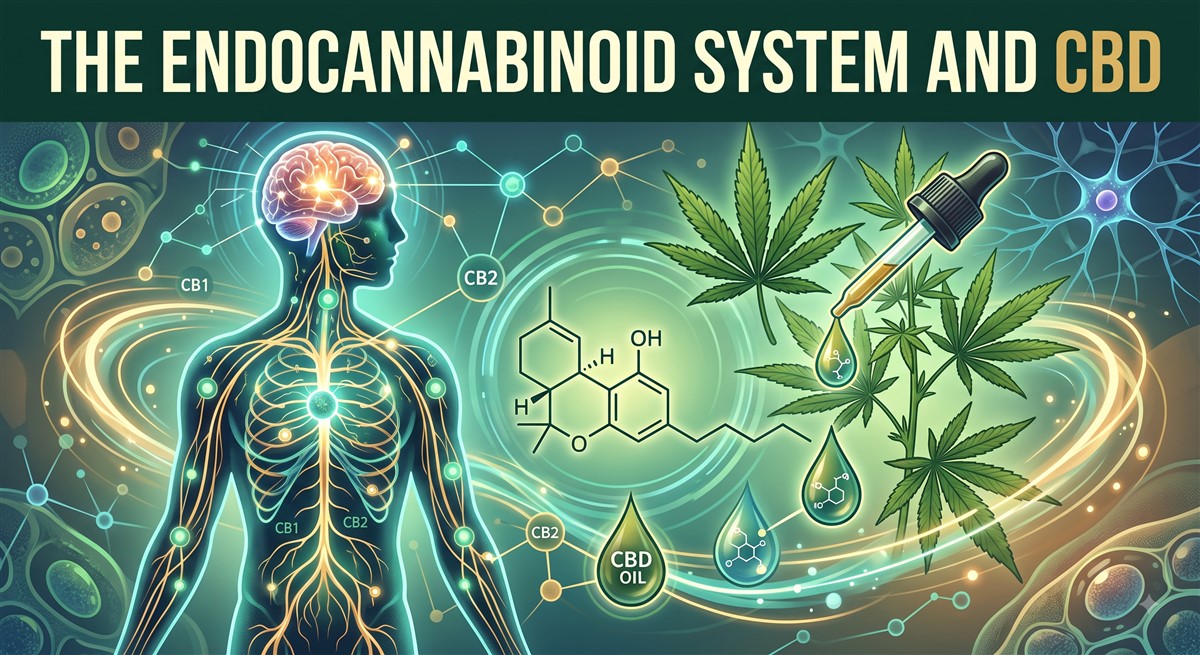
Understanding the endocannabinoid system provides context for why researchers study CBD delivery methods. This complex biological system exists throughout the body and plays a role in various physiological processes. Different formulations and routes of administration may influence CBD delivery. However, the delivery format alone does not establish superior absorption, bloodstream exposure, or effectiveness. Liposomal CBD uses a different delivery format compared with conventional CBD oil products.
Choosing Quality Liposomal CBD Products
When selecting liposomal CBD oil, consider factors beyond just the liposomal technology. Look for products that clearly list all ingredients, including the type of hemp used, extraction methods, and any additional compounds. Quality products will specify whether they contain full-spectrum, broad-spectrum, or isolate CBD.
The combination of CBD with advanced liposomal delivery represents an alternative formulation approach for consumers exploring cannabinoid supplements. However, as with any CBD product, quality, transparency, and third-party testing should be primary considerations in your selection process.
Conclusion
Liposomal CBD oil represents an evolution in cannabinoid product formulation, utilizing sophisticated encapsulation technology as an alternative CBD delivery format. Through the use of liposome structures that mirror natural cell membranes, these products offer an alternative CBD delivery format compared to traditional formulations.
While research continues into the full potential of liposomal technology for cannabinoid delivery, these products offer an innovative approach for those interested in exploring different CBD administration methods. As always, consumers should prioritize quality, seek products with comprehensive testing, and consult healthcare professionals when incorporating any new supplement into their routine.
The development of liposomal CBD technology reflects ongoing innovation in the hemp industry as manufacturers continue to develop alternative cannabinoid delivery systems and product formats.
Related Hemp Therapies Formulations
The following pages show how Hemp Therapies uses phospholipid-based formulation methods with other compounds. They are commercial product or collection pages, not evidence of combined effects.
Readers who want to see how this formulation approach is used with a cannabinoid can review the ingredients, strength, directions, and available testing for 9000mg Liposomal CBN Oil.
For a cannabinoid formulation with ND THC, the 9000mg Liposomal Broad Spectrum CBD Oil product page provides product-specific ingredients, strength, and testing information. This link is included as a related formulation example, not as evidence that CBD and vitamin C have a combined effect.
To compare the liposomal formats currently offered by Hemp Therapies, visit the liposomal products collection. Each product should be evaluated on its own formulation, testing, and intended use. Evidence about vitamin C should not be assumed to apply to cannabinoids.
Educational and Regulatory Disclaimer
This article is for educational and informational purposes only and is not medical advice. It does not recommend a dose or claim that a dietary supplement or CBD product diagnoses, treats, cures, mitigates, or prevents any disease. Dietary-supplement structure/function and general-well-being claims must be truthful, non-misleading, and substantiated; a disclaimer does not replace adequate evidence.3 Consult a qualified healthcare professional before using a dietary supplement, especially if you are pregnant or nursing, take medication, have a medical condition, or are considering a high dose.
These statements have not been evaluated by the Food and Drug Administration. This product is not intended to diagnose, treat, cure, or prevent any disease.